Back pain is one of the most common yet preventable workplace health issues today. Long sitting hours, poor posture, and limited movement have made spine health a growing concern for desk-based employees.
By integrating ergonomics, posture education, movement breaks, and early physiotherapy access, corporate wellness programs can significantly reduce back pain, lower sick leave, and improve productivity.
For organizations in India, prioritising spine health within corporate wellness programs is a practical step toward building a healthier, more engaged, and resilient workforce.
Back pain is one of the most common yet preventable workplace health issues today. Long sitting hours, poor posture, and limited movement have made spine health a growing concern for desk-based employees.
By integrating ergonomics, posture education, movement breaks, and early physiotherapy access, corporate wellness programs can significantly reduce back pain, lower sick leave, and improve productivity.
For organizations in India, prioritising spine health within corporate wellness programs is a practical step toward building a healthier, more engaged, and resilient workforce.
Back pain—A growing workplace problem
Today’s workplace is more sedentary than ever before. Employees spend long hours seated at desks, attending virtual meetings, and working continuously on laptops and desktops. Movement during the workday has reduced significantly, while screen time has increased.
This shift has made back pain, neck pain, and stiffness extremely common among working professionals. What often starts as mild discomfort gradually progresses into persistent pain that interferes with daily work and overall quality of life.
Understanding spine health in the modern workplace
What does spine health mean?
Spine health refers to maintaining the strength, flexibility, and correct alignment of the spine throughout the workday. This includes the cervical spine (neck), thoracic spine (mid-back), and lumbar spine (lower back).
The spine is supported by muscles, particularly the core muscles that include the abdominal and lower back muscles. When these muscles are strong, they protect the spine during sitting, bending, and movement. When they weaken, the spine bears excessive load and becomes vulnerable to pain and degeneration , an issue increasingly addressed through structured corporate wellness programs.
Impact of long sitting hours, poor posture, and screen time
Continuous sitting places nearly twice the body weight pressure on the lower back. Over time, this compresses spinal discs and strains muscles.
Poor posture, such as slouching forward or bending the neck toward the screen, weakens core and back muscles. Excessive screen use further strains the neck and shoulder muscles, leading to stiffness, headaches, and chronic neck pain.
Without regular movement and posture correction, these factors accelerate spine-related issues.
Link between spine health, productivity, and absenteeism
Employees with a healthy spine are able to sit comfortably, focus for longer periods, and maintain consistent work performance. Persistent back or neck pain leads to frequent breaks, reduced attention, and increased sick leave.
Improving spine health is therefore a key factor in how to improve spine health while also improving productivity and attendance.
Common causes of back pain among employees
Back pain in working professionals usually develops due to a combination of factors rather than a single cause. Common contributors include:
Poor workstation ergonomics, such as incorrect chair height or screen level
Prolonged sitting without regular movement breaks
Work-from-home posture issues, including working from beds or sofas with laptops on the lap
Stress-induced muscle tension, especially in the neck and shoulders
Weak core and back muscles due to lack of regular exercise
Incorrect gym workouts, particularly heavy lifting or deadlifts performed with existing back pain
Why must corporate wellness programs address spine health?
Spine issues as a leading cause of work-related discomfort
Neck and lower back pain are far more common than mid-back pain because these regions are highly mobile and carry most of the body’s load during sitting and bending. Without adequate muscle support, these areas are more prone to injury and degeneration.
Preventive care vs treatment costs
Treating chronic back pain often involves repeated physiotherapy sessions, diagnostic scans, injections, or even surgery. In contrast, preventive measures such as posture training, ergonomic corrections, regular movement, and exercise education are significantly more cost-effective.
Long-term benefits of corporate wellness programs for employers
When spine health is prioritised, organizations experience:
Lower insurance and medical claims
Reduced absenteeism
Improved employee retention
Better overall workplace morale
These outcomes highlight the long-term value of strong corporate wellness programs.
How corporate wellness programs can reduce back pain?
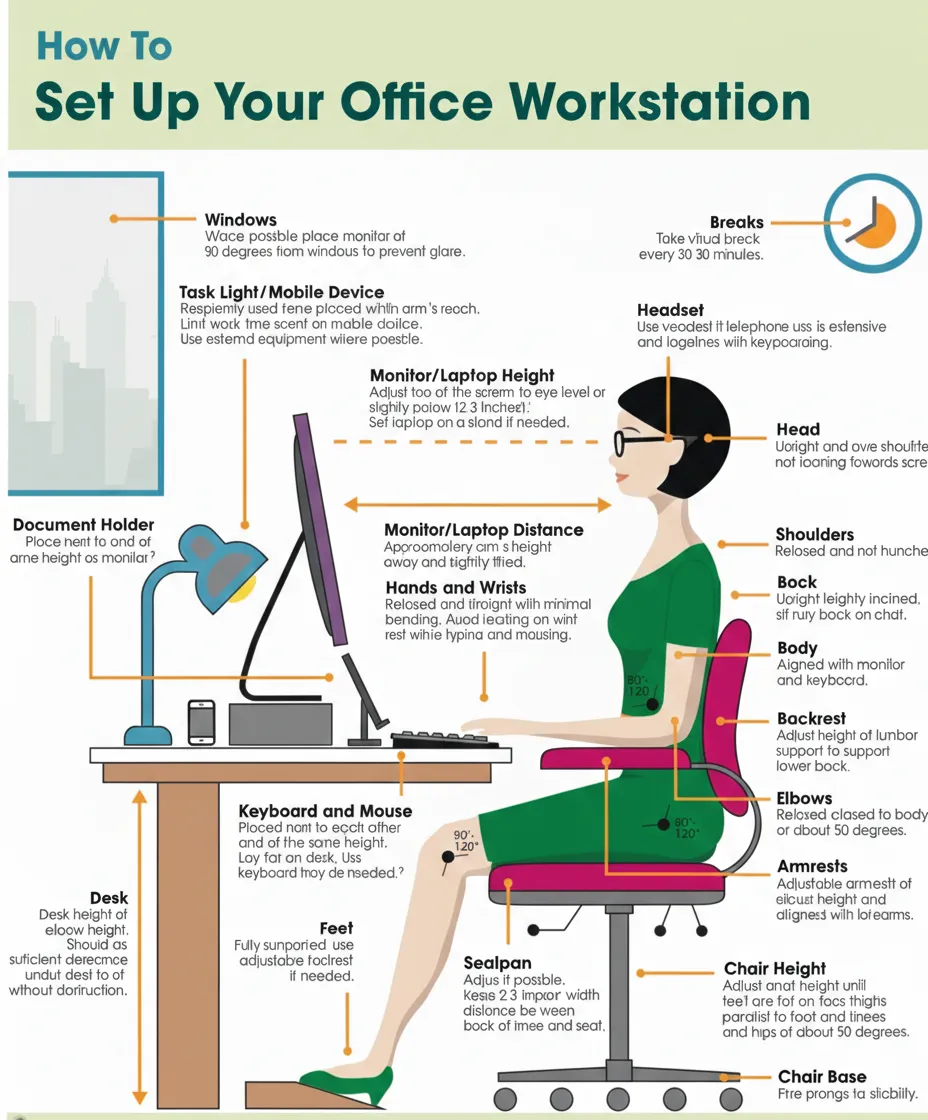
Ergonomic assessments and workstation corrections ensure that chairs, desks, and screens support proper posture.
Posture training and spine-care workshops educate employees on correct sitting, standing, lifting, and screen habits.
Movement breaks, desk stretches, and mobility routines reduce muscle stiffness and improve circulation during long work hours.
Access to physiotherapy and orthopedic consultations helps employees address pain early before it becomes chronic.
Education on safe gym practices and customised workouts prevents exercise-related spine injuries and promotes safe muscle strengthening.
Together, these interventions help employees understand how to improve spine health sustainably.
Why spine health is often overlooked
Musculoskeletal issues develop slowly and are often dismissed as minor discomfort. As a result, spine health rarely becomes a priority until pain significantly affects daily functioning.
Practical spine health tips for employees
Sitting posture do’s and don’ts
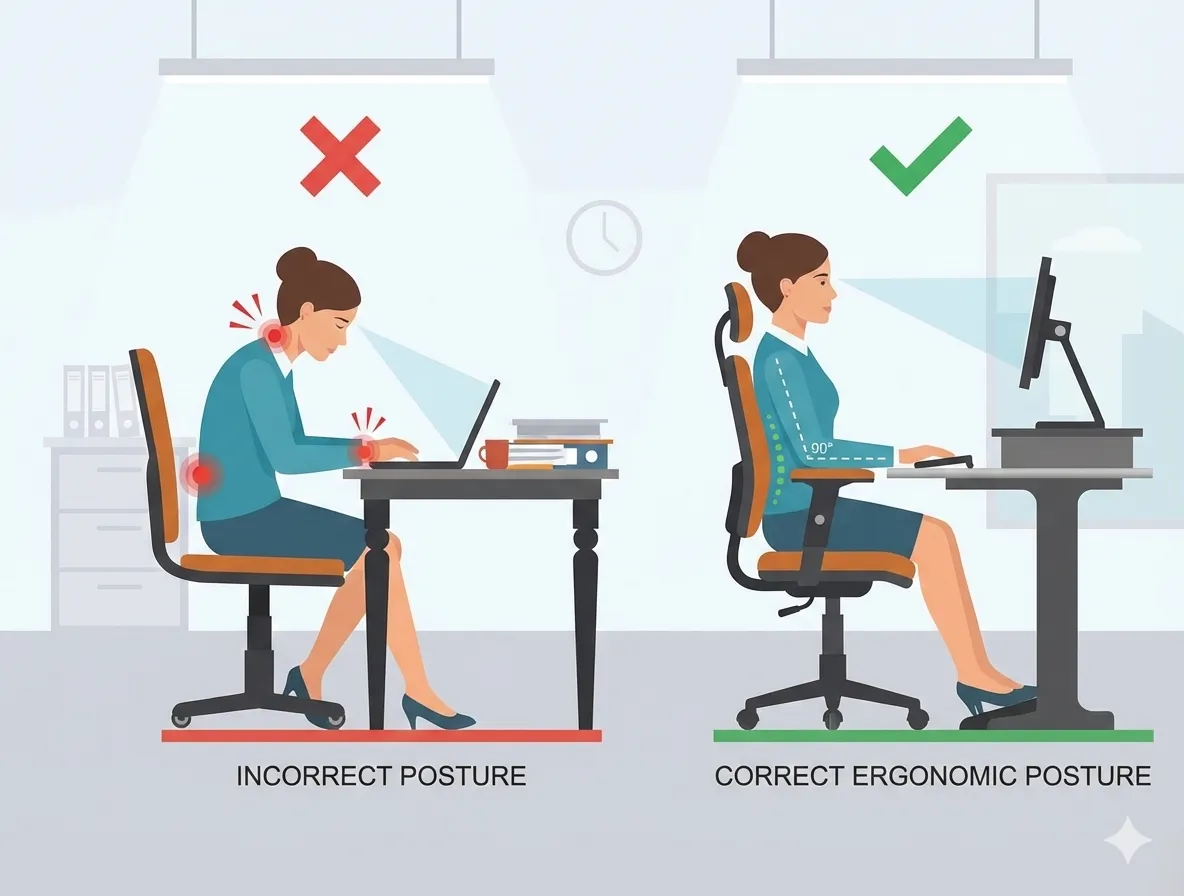
Employees should keep their feet flat on the floor with knees bent at 90 degrees. The back should remain supported against the chair, and the neck should stay upright. Slouching and forward neck bending should be avoided as they strain spinal muscles.
Simple desk stretches
Neck movements every 30 minutes, short walking breaks every 45 to 60 minutes, and desk stretches every two to three hours help prevent stiffness and muscle fatigue.
Screen height and chair alignment basics
The monitor should be positioned at eye level. Elbows should rest comfortably on chair armrests, and the chair should provide proper lumbar (lordosis) support.
Daily habits that support a healthy spine
Daily walking for 20 to 40 minutes, preferably in sunlight, helps maintain muscle strength and vitamin D levels. Consistent back and core exercises are essential. Smoking should be avoided, as it reduces blood flow and interferes with disc healing and regeneration.
Benefits of including spine health in wellness programs
Organisations that include spine health in their wellness strategy experience:
Reduced sick leave and medical claims
Improved productivity and focus
Higher employee engagement and morale
A stronger employer brand built on meaningful employee care
How Indian employers can build holistic wellness strategies
Employers can strengthen their wellness approach by:
Including spine health screenings
Conducting regular ergonomic audits
Introducing core-strengthening initiatives
Creating awareness around vitamin D deficiency, which is common in indoor workers
Conclusion
Most back pain is preventable when addressed early through posture correction, regular movement, exercise, and ergonomic support. Investing in spine health today helps organizations build a healthier, more resilient, and more productive workforce for the future.
Palak is passionate about driving conversations around employee health, wellness, and HR trends. With experience in content and growth strategy, her insights have been published in leading platforms, including The Times of India. Through her writing, she shows how small shifts in employee benefits can create lasting impact on workplace health and productivity.
Follow on:
Thanks for subscribing! If it’s your first time, check your inbox. Otherwise, you’re already on our list
Oops! Something went wrong while submitting the form.
Ready to give yourself and your team the best employee benefit experience?
A corporate wellness program is a company-wide initiative that promotes healthier lifestyles, mental well-being, and preventive health through fitness challenges, screenings, counseling, nutrition coaching, and flexible work options.
Why do companies need Corporate Employee Wellness Programs?
Wellness programs help companies improve employee morale, reduce absenteeism, and lower healthcare costs. They also enhance productivity and retention by showing that the organization values employee wellbeing which directly impacts overall business performance.
How to measure the effectiveness of Corporate Employee Wellness?
Organizations can measure program effectiveness using key metrics like employee participation rate, health risk assessment results, absenteeism levels, productivity scores, and employee satisfaction surveys. Tracking healthcare claims and comparing pre- and post-program data also helps measure ROI and overall impact.
Are there any budget-friendly Corporate Employee Wellness Programs?
Yes, companies can start small with initiatives like health webinars, stress management workshops, step challenges, mental health awareness sessions, or gym memberships. Partnering with platforms like Pazcare allows businesses to access comprehensive wellness benefits and health checkups at affordable rates.
What are the latest trends in Corporate Employee Wellness Programs?
The latest trends include mental health support through therapy access, gamified fitness challenges, hybrid wellness programs for remote employees, preventive health checkups, personalized wellness plans driven by AI, and integration of wearable tech for real-time health insights.










.svg)
.svg)