Why corporate insurance is evolving in 2026
Corporate insurance in India is undergoing a fundamental shift. Rising healthcare costs, growing awareness around mental and lifestyle health, digital transformation, and regulatory initiatives like Bima Sugam are pushing employers to rethink how insurance fits into their people strategy.
Earlier, corporate insurance policies were designed primarily for compliance, basic hospitalization cover, minimal life insurance, and limited engagement. In 2026, expectations are different. Employees want insurance that is easy to use, relevant to everyday health needs, and supportive during real-life emergencies.
What is corporate insurance?
Corporate insurance refers to group insurance policies purchased by employers to protect employees against health, life, accident, and related risks. These policies are issued under a master contract, allowing organizations to offer coverage at lower costs and with broader benefits compared to individual plans.
From an employee’s perspective, corporate insurance provides financial protection and peace of mind. From an employer’s perspective, it supports workforce stability, productivity, and retention.
Meaning of corporate insurance
Corporate insurance represents an organization’s commitment to employee well-being. It ensures that employees and their families are not financially vulnerable during medical emergencies, accidents, or unforeseen life events. In modern workplaces, a strong corporate insurance policy signals trust, care, and long-term intent, values that employees increasingly expect from their employers.
Types of corporate insurance policies for employees
Corporate health insurance
Also known as group health insurance, this policy covers hospitalization expenses and often includes pre- and post-hospitalization care. Modern corporate health insurance plans may also offer OPD benefits, mental health support, maternity cover, and wellness add-ons.
Group term life insurance
Group term life insurance provides a lump-sum payout to an employee’s nominee in the event of death during employment. Coverage is usually linked to a multiple of the employee’s annual salary.
Group personal accident insurance
Group personal accident insurance policy covers accidental death, permanent disability, temporary disability, and income loss due to accidents, both on and off the job.
Top corporate insurance policy trends for 2026
AI-driven personalization of coverage
Insurers are increasingly using artificial intelligence and data analytics to design corporate insurance plans based on workforce demographics, claim behavior, and health risk patterns. This allows HR teams to move away from generic plans and offer coverage that actually reflects employee needs. AI-powered tools are also improving claims assistance, reducing turnaround times, and minimizing manual intervention.
Greater focus on wellness and preventive care
Corporate health insurance plans are expanding beyond hospitalization. OPD consultations, mental health counseling, chronic condition management, and preventive screenings are becoming standard expectations. This shift helps employees address health concerns early, reduces long-term claim pressure, and supports a healthier, more productive workforce.
Digital-first insurance experiences
With platforms like Pazcare and insurer-led digital ecosystems, policy management is becoming seamless. Employees can access policy details, locate network hospitals, track claims, and raise service requests digitally.
Increased relevance of cyber and climate risk coverage
As workplaces become more digital and climate-related disruptions increase, organizations are exploring additional insurance riders, especially for roles involving sensitive data, remote work, or operational exposure. This reflects a broader understanding of risk beyond traditional health and life coverage.
Embedded insurance within HR systems
Insurance benefits are increasingly integrated into HRMS and payroll platforms. Employees can view coverage, update nominee details, and initiate claims directly through internal systems, improving accessibility and engagement.
Stronger regulatory and data protection focus
With evolving data privacy laws, insurers and employers must ensure secure handling of employee health data. Transparency, consent, and compliance are becoming critical components of corporate insurance governance.
Why these corporate insurance trends matter for HRs
- Employees expect insurance to support everyday health needs, not just emergencies.
- Faster, digital claims improve confidence in HR processes.
- Preventive care reduces absenteeism, burnout, and long-term health costs.
- Well-structured corporate insurance strengthens employer branding and retention.
How HRs can prepare for corporate insurance in 2026
- Audit existing corporate health insurance plans for gaps in OPD, mental health, or wellness coverage.
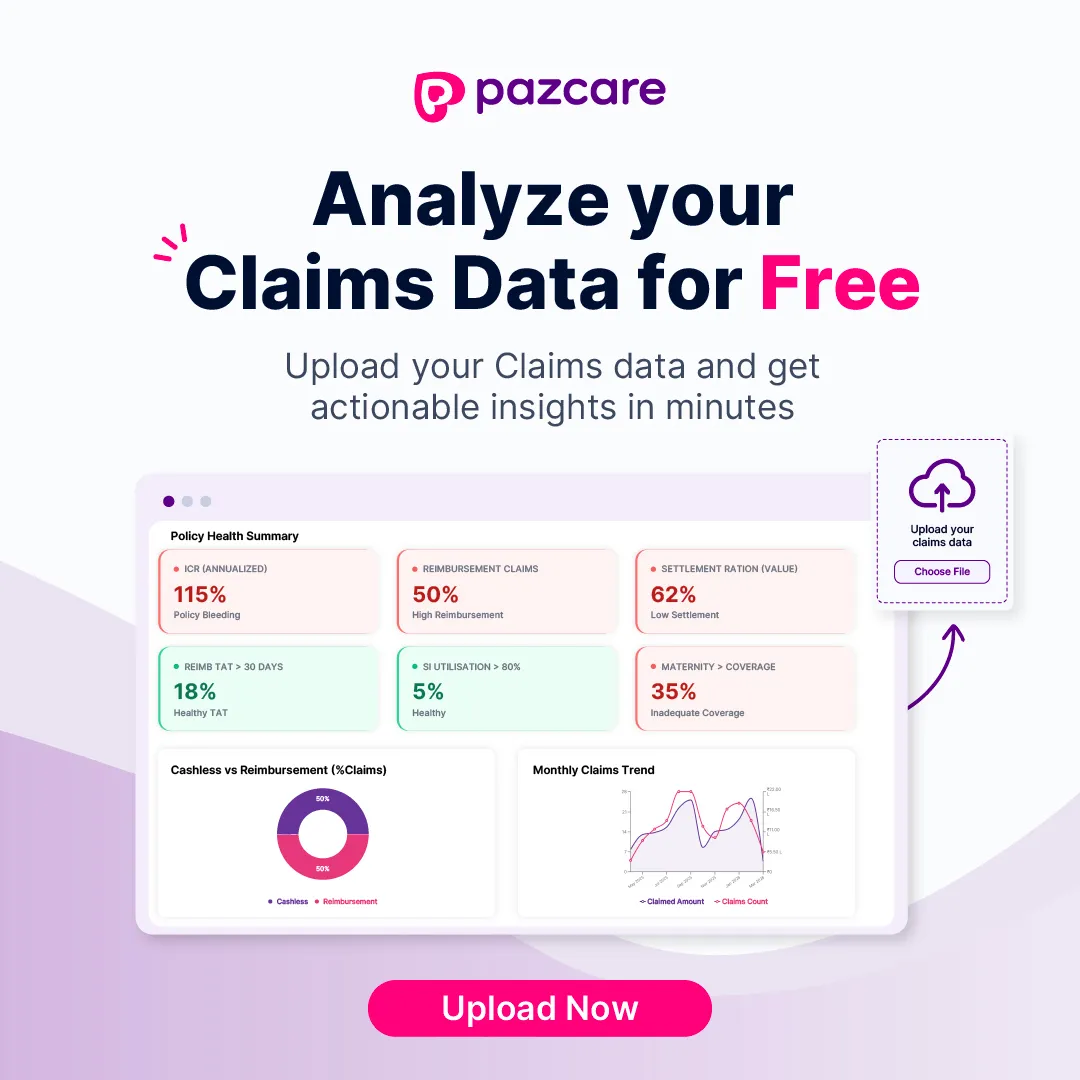
- Analyze claims data to understand real employee health trends.
- Partner with technology-enabled insurers or benefits platforms.
- Collect regular employee feedback on insurance usability.
- Digitize policy communication and administration.
Choosing the right corporate insurance policy for employees
The right corporate insurance policy balances coverage quality, claims experience, cost sustainability, and employee expectations. HR teams should evaluate policies based on:
- Claim settlement support and turnaround time
- Network hospital reach
- Flexibility to customize benefits
- Preventive and wellness inclusions
- Transparency in reporting and data access
Conclusion
Corporate insurance in 2026 is intelligent, preventive, digital, and deeply employee-centric. For HR teams, adapting to these changes is no longer optional. Organizations that rethink their corporate insurance strategy today will be better equipped to attract talent, support employee well-being, and build resilient workplaces for the future.









.svg)
.svg)